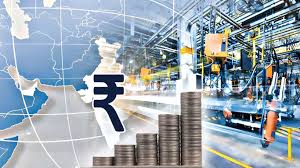
The global business landscape is entering a new era defined by innovation, shifting supply chains, and the rise of emerging economies. In 2026, companies worldwide are adapting to rapid changes in demand, production, and global policies. This detailed business outlook covers the most impactful trends, transformations, and corporate strategies taking shape.
1. Manufacturing Expansion in New Markets
Global manufacturers are diversifying production by shifting operations into developing markets. Countries such as India, Vietnam, and Indonesia are attracting investment through improved infrastructure, incentives, and skilled labor availability.
1.1 India Becoming a Manufacturing Powerhouse
India continues to position itself as a global manufacturing hub. Incentive programs, simplified taxation, and logistics upgrades have led to an increase in factories across automotive, electronics, and consumer goods sectors.
1.2 Supply Chain Diversification
Companies that relied heavily on single-country sourcing are now adopting multi-country production models to reduce operational risk and stabilize output during disruptions.
2. Corporate Growth and Global Expansion
Businesses across industries are entering new markets to capture emerging consumer demand. Corporate expansions are especially strong in healthcare, retail, fintech, and energy sectors.
2.1 Rise of Tier-2 Cities
Corporations are recognizing the potential of Tier-2 and Tier-3 cities for new offices, warehouses, and consumer outlets. These regions offer cheaper real estate and rising purchasing power.
2.2 Increased Cross-Border Trade
Global trade agreements are encouraging businesses to explore new partnerships, expand export portfolios, and access international investments.
3. Sustainability Initiatives Accelerate
Environmental regulations and consumer expectations are encouraging businesses to adopt sustainable operations. Renewable energy, green logistics, and eco-friendly materials are becoming mainstream.
3.1 Carbon-Neutral Goals
Major corporations are committing to become carbon-neutral within the next decade, investing heavily in clean energy technologies and sustainable production methods.
3.2 Eco-Friendly Supply Chains
Companies are reworking transportation routes, packaging materials, and waste-management systems to reduce environmental impact.
4. The Global Workforce Transformation
The global employment landscape is shifting as companies integrate advanced technologies and offer flexible working models.
4.1 Rise of Hybrid Work
Hybrid work remains the dominant trend across white-collar industries, offering employees more flexibility and improving work-life balance.
4.2 AI-Assisted Productivity
AI-powered tools are transforming workflows, from automated reporting to predictive analytics and customer service chatbots.
4.3 Upskilling the Modern Workforce
Companies are investing heavily in training programs to equip employees with digital, analytical, and management skills needed for future roles.
5. Global Mergers & Acquisitions Increase
M&A activity is rising across industries, driven by companies seeking strategic growth, technology acquisition, and market expansion.
5.1 Tech & Energy Mergers Lead the Trend
Technology, clean energy, and logistics companies are the most active in mergers as they attempt to consolidate market share.
5.2 Private Equity Investments Grow
Private equity firms are increasing funding across healthcare, software, and sustainability-driven ventures.
Conclusion
As businesses enter 2026, the global economy is defined by innovation, sustainability, and expansion into new regions. Companies that invest in technology, skilled workforce development, and adaptable supply chains will be well-positioned for long-term success.